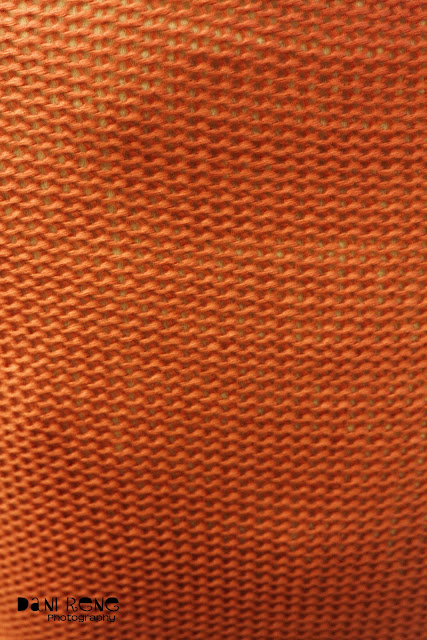
Imagine the world without texture
You look out the window, and even though you can’t touch it, you can see the layers of texture in the leaves of the old oak tree and its gnarly bark, the multicolored aging brick on the building across the street, the gleaming polished surface of a car.
Texture in art refers to the surface quality—how something feels or looks like it would feel (rough, smooth, soft, hard) Texture in “real life” can be, basically, smooth or rough. We can use other descriptors as well: slimy, wet, hard, soft, bumpy, shiny, etc. we can “feel” them through the mind’s eye—implied texture; an association with the familiar—assuming that it is familia
 
Without touching something, how can you tell if it’s smooth or textured???
  • Writers use words like coarse, slimy, bristly, smooth, furry, matted, twisted, scratchy, wrinkled, soft, rough, silky, shiny  helps writers describe the texture of an object. 
  • Artists use visual Texture to enhance and support the artist’s concept behind the work.  If something in a photograph is smooth what is the artist trying to say?  If something is rough what is the artist saying?
Smooth: makes you feel something is new, clean, simple
Rough:  makes you feel something is old, dirty,complicated


Smooth Skin vs Rough Skin

Rough Pencil vs Smooth Pencil

Rough Paper vs Smooth Paper

Smooth fur vs Corse Fur


Using Texture in Photography

Using Texture with People (smooth vs rough)


__________________________________________________________________________

Assignment

1. Two Photos of Man Made Ruff textures


2. Two Photos of Nature Ruff textures


Edit: the images using curves/levels/contrast to bring out the darks and lights of the texture.

Examples

Man Made Texture


Nature Texture